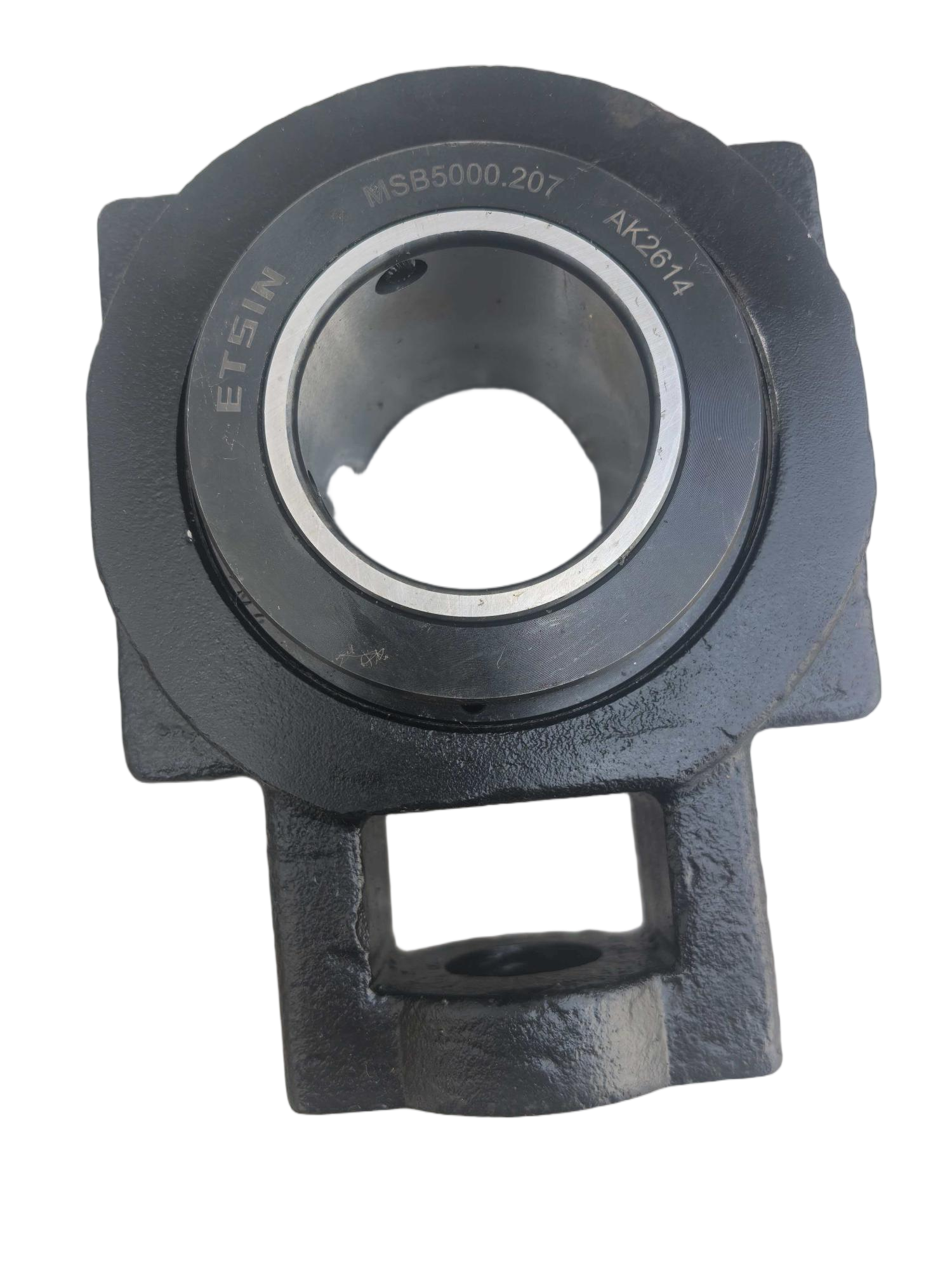
-
Spec :
-
Intro :


Understanding Tensioner Bearings
Tensioner bearings are essential components in both automotive and industrial applications, ensuring that belts remain in optimal working condition. They serve to adjust the tension of belts, which are responsible for transferring power from one component to another. Understanding the mechanics behind tensioner bearings is crucial for maintenance and performance enhancement.
The Function of Tensioner Bearings
Tensioner bearings work by maintaining the correct tension on belts, which is vital for the efficient operation of engines and machinery. They allow for a small amount of movement to accommodate changes in belt length due to wear and temperature fluctuations. This movement is critical in preventing belt slippage and subsequent mechanical failures.
Types of Tensioner Bearings
Timing Belt Tensioner: Used primarily in engine timing systems, these tensioners ensure that the timing belt maintains the correct tension, crucial for synchronizing the engine’s valves and pistons.
Serpentine Belt Tensioner: These are commonly found in accessory drive systems, helping to keep the serpentine belt taut, which powers various engine components like the alternator and air conditioning compressor.
Idler Pulley Bearing: Often used in conjunction with tensioners, these bearings support the idler pulley, ensuring smooth belt movement and reducing wear.
Belt Tensioner Pulley: This type reduces friction between the belt and pulley, enhancing the longevity of both components.
Adjustable Tensioner: Typically used in high-performance applications, these allow for manual adjustments to the tension, providing a customized fit for optimal performance.
Symptoms of a Failing Tensioner Bearing
Recognizing the symptoms of a failing tensioner bearing can save you from costly repairs and enhance the lifespan of your vehicle. Common signs include:
Squeaking or Chirping Noises: These sounds often indicate that the tensioner or idler bearing is failing, usually due to excessive wear.
Burning Rubber Smell: This may occur when the belt is slipping excessively over a worn pulley.
Visible Wear: Cracks or fraying on the belt can indicate tensioner issues.
Engine Performance Problems: A failing tensioner bearing can lead to poor engine performance, affecting accessories tied to the belts.
Choosing the Right Tensioner Bearing
When selecting a tensioner bearing, consider factors such as the specific application, load capacity, and material. High-quality bearings can significantly impact the performance and lifespan of your vehicle.
Material Considerations
Steel: Offers high strength and durability but may be heavier.
Plastic/Composite: Lightweight and often corrosion-resistant but may have lower load capacities.
Aluminum: Provides a good balance between weight and strength, often used in high-performance applications.
Load Capacity
Understanding the load capacity of a tensioner bearing is crucial, as it determines how much force the bearing can handle without failing. For instance, heavy-duty applications require bearings with a higher load capacity to withstand the stress.
Maintenance Tips for Tensioner Bearings
Regular maintenance of tensioner bearings can prevent premature failure and costly repairs. Here are some tips:
Regular Inspection: Check for signs of wear, such as cracks or unusual noises.
Belt Condition: Always inspect the condition of the belts, as worn belts can place additional stress on the tensioner.
Lubrication: Ensure that bearings are adequately lubricated to reduce friction and wear.